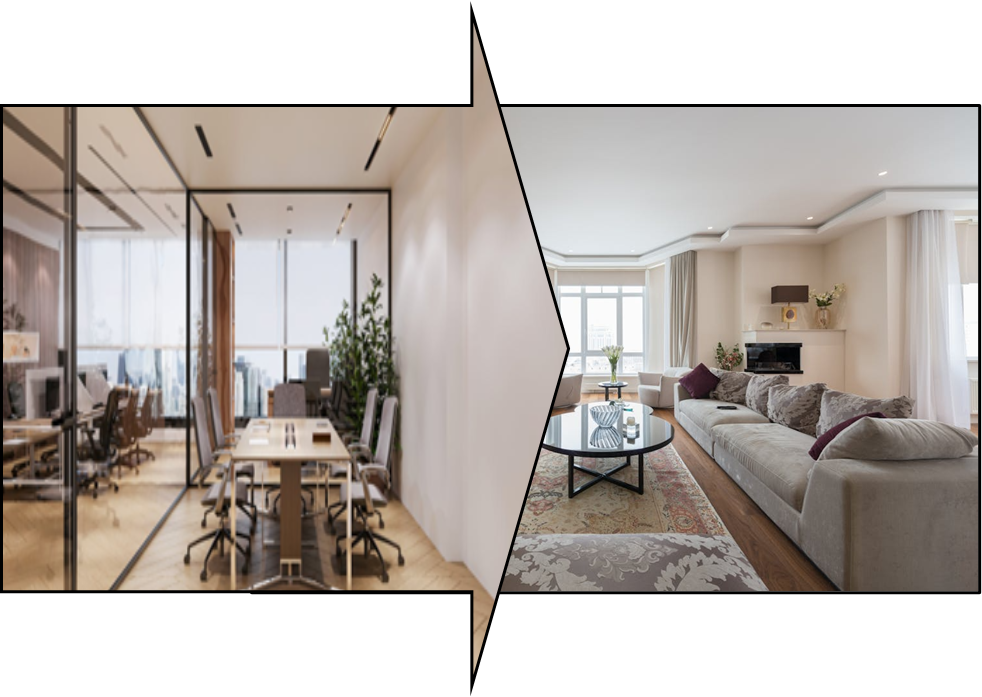

If the structure is the bones of a conversion, the enclosure is the skin. And in the world of office-to-housing renovation, the skin is usually where the biggest surprises (and costs) hide.
I’ve seen plenty of projects where the structure is perfect, but the enclosure just isn’t ready for someone to sleep behind it. Office buildings are designed for 9-to-5 commercial use, but homes need to be 24/7 sanctuaries. In Boston, upgrading this skin is often a requirement for project approval to ensure higher building performance.
Why Office Glass Often Fails the Residential Test
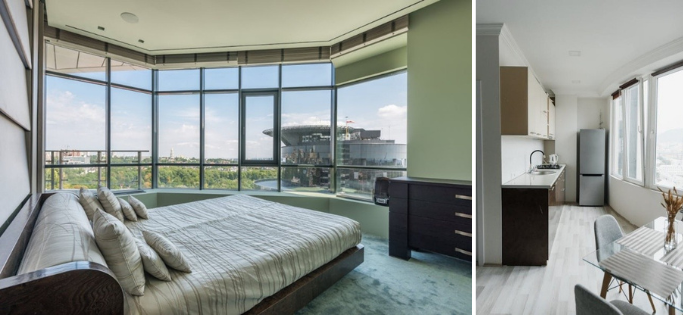
Most modern office buildings are sealed glass boxes. But for a legal residence, the standards for comfort and safety change. To meet residential codes, we usually need to address:
- Operable Windows: Residents typically require windows they can actually open for fresh air.
- High-Performance Glazing: We often have to upgrade to glass with better insulation and air/water tightness to meet residential comfort standards.
- Acoustic Buffers: Residential environments are far more sensitive to traffic noise, street noise, or the vibration of rooftop mechanical equipment. If we don’t upgrade the facade accordingly, your tenants won’t stay for long.
Managing the Invisible: Air, Moisture, and Heat
In an office, a little draft near a window might just mean putting on a sweater. In an apartment, it’s a major liability. We focus heavily on three technical enemies:
- Thermal Bridging: We pay close attention to slab edges and steel connections. Without the right thermal breaks, you get cold spots that lead to condensation and, eventually, mold.
- Air Leakage: Housing demands much tighter environmental control and improved air tightness than the average commercial building.
- Moisture Management: Ensuring the facade handles moisture correctly is critical when people are living, cooking, and showering inside all day.
Exterior Modifications & Mechanicals
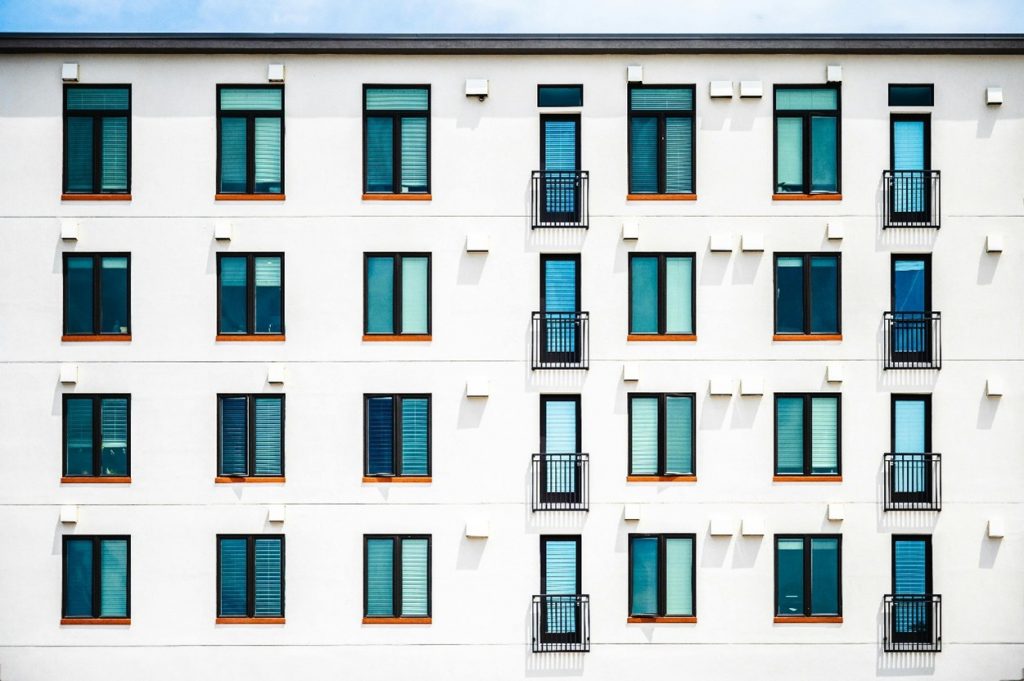
Many developers want to add residential character through balconies, Juliet railings, or facade projections. These look great, but they introduce new challenges to enclosure performance and may face restrictions in historic districts. Additionally, new mechanical systems should be coordinated with the enclosure in office-to-residential conversions to maintain air barrier continuity, support energy performance targets, and ensure appropriate ventilation and thermal comfort for dwelling units.
The Final Takeaway
While these enclosure upgrades are technical, they are a massive win for the project’s long-term value. Reusing the enclosure, even when it requires targeted improvements such as insulation upgrades, enhanced air‑barriers, or selective component replacements, saves a staggering amount of embodied carbon compared to a total demolition.
When the structure and enclosure prove adaptable, aging office buildings can be successfully transformed into high-quality housing that strengthens our communities. It’s about taking those empty downtown office buildings and filling them with life again.