

Adaptive reuse is reshaping cities by giving existing buildings new purpose, whether transforming mills into innovation hubs, schools into senior housing, or warehouses into cultural spaces. This approach preserves embodied carbon, protects architectural heritage, and revitalizes the urban fabric.
Among its many forms, office‑to‑housing conversion has emerged as one of the most impactful, offering a sustainable way to address rising downtown vacancies and growing residential demand.
In this two‑part series, I will explore the two factors that most influence whether an office building can successfully become a home: its bones and its skin.
The Case for Office-to-Residential Conversion
When we talk about the housing crisis in Massachusetts, we often look at empty lots on the outskirts of town. But lately, I’ve been looking up at the millions of square feet of underused office space sitting right in our downtown cores. Office vacancies in Greater Boston have reached 20% or higher in some areas, and the state needs approximately 222,000 additional homes by 2035.
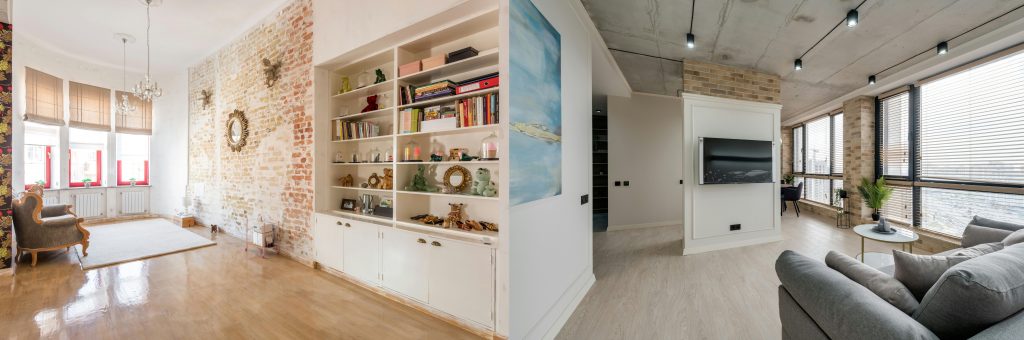
The big question I get from developers is: “Can we actually turn this into apartments?” The initial answer usually lies in the bones of the structural skeleton of the building. In my experience, converting an existing structure is a massive head start, often costing 30% less than building from the ground up. Beyond the budget, it’s a win for the planet; by reusing the existing structure, we avoid massive amounts of demolition waste and the carbon-intensive process of new construction.
The Mid-Century Sweet Spot
Believe it or not, I have a soft spot for buildings from the mid-20th century. Why? Because these structures frequently offer a trifecta of benefits: strong, redundant structural systems, generous floor-to-floor heights, and regular column spacing. These characteristics make them the ideal candidates for a second life as housing, often allowing for efficient upgrades that improve cost and schedule.
The Daylight Dilemma
The biggest hurdle we face is the deep floor plate. Office spaces are often massive squares, but humans need natural light and operable windows to feel at home. To make these deep plates livable, we must be strategic:
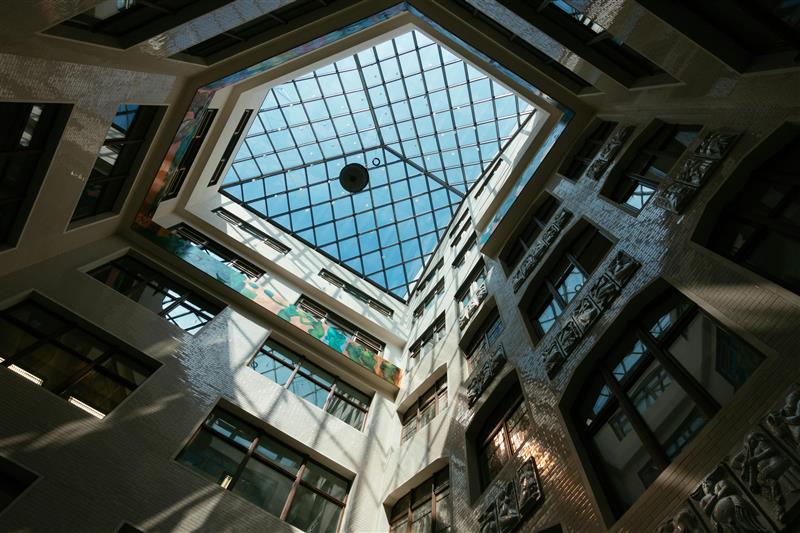 Light Wells & Atria: We can carve out the center of the building to bring the sun into the core.
- Smart Layouts: We use shallow or double-loaded unit layouts where apartments hug the windows, ensuring every resident has a view.
- Core Optimization: We tuck amenities like gyms, theaters, or tenant services near the core of the floor where windows aren’t required, making every square inch of that deep floor plate productive.
The Swiss Cheese Factor
Residential buildings demand a lot more from a structure than people realize. While an office might have one central bathroom core, an apartment building needs a kitchen and bath for every single unit. This requires dozens of new vertical shafts for plumbing risers, bathroom and kitchen stacks, and ventilation ducts.
We must coordinate these penetrations carefully to avoid compromising load paths.We must also confirm that the structure’s bones can handle new residential live loads, heavy mechanical equipment on the roof, and even selective strengthening of new facade components.
The Massachusetts Advantage
With high office vacancies, the state is leaning in. Between tax credits, streamlined permitting, zoning flexibility, and millions of dollars in early financial support, the bones of these buildings are being given a new lease on life.
The bottom line is, if the bones are good, you’re halfway there. But the project’s success depends on detecting hidden conditions early. I always recommend opening selective areas to prevent surprises late in construction.
Now that we understand what the building can support, the next question becomes how it must function for people who call it home. More on that in part 2 of the series.
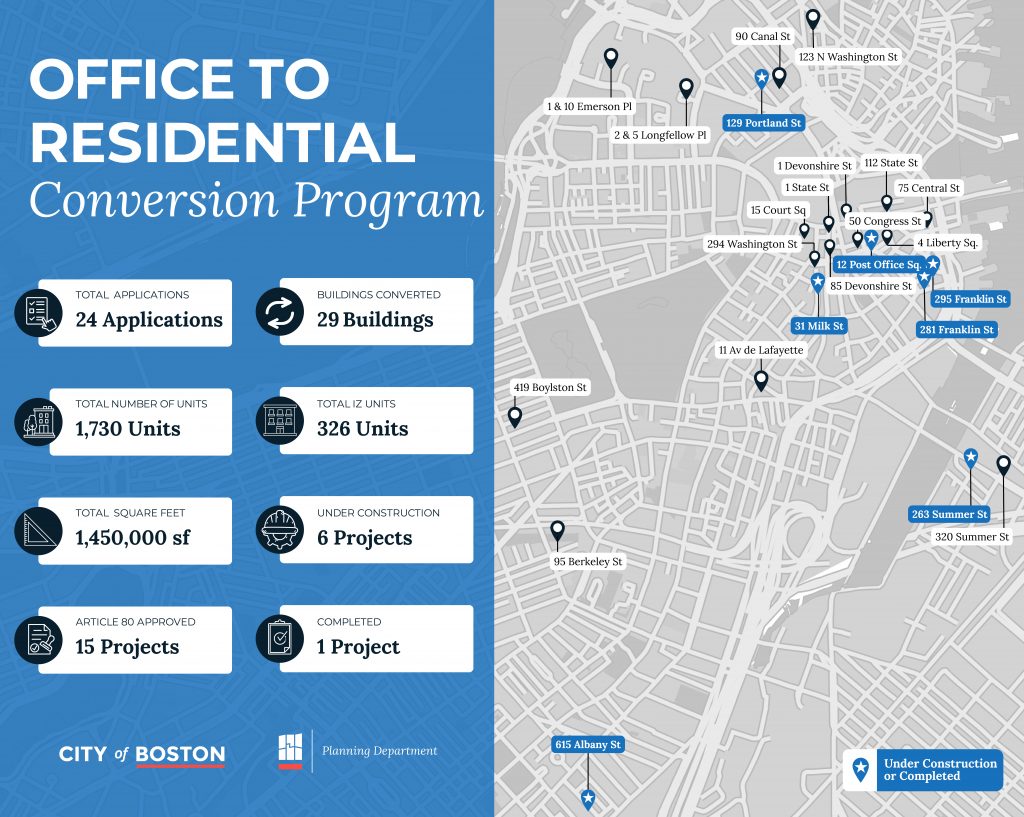
Image courtesy of the Boston Planning & Development Agency